
500+
Players Trained
15+
Years of experience
100%
Dedicated
Players Trained
Years of experience
Dedicated
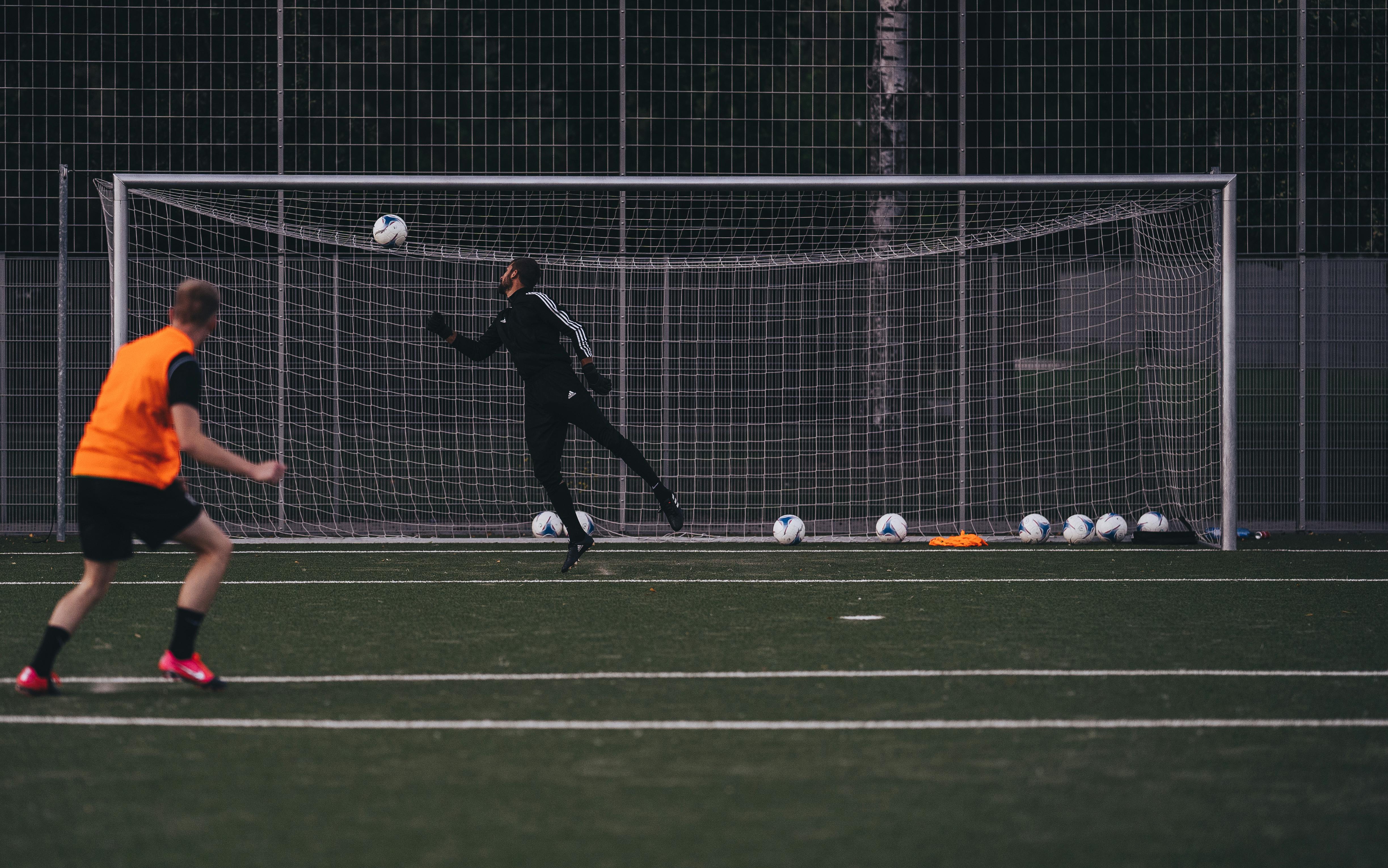
It feels like progress.
Three sessions a week. A different club on Saturdays. A holiday camp in half term. The calendar is full. The kit bag is always in the car. Your child is always doing something.
And yet, something isn't quite adding up.
The improvement feels slower than expected. The same hesitations appear in matches. The confidence on the ball hasn't shifted the way you'd hoped. And quietly, in the back of your mind, a question forms:
Is all of this actually working?
It's one of the most important questions a football parent can ask. And the honest answer is: busy training and productive training are not the same thing. Knowing the difference could change everything for your child's development.
The Illusion of Volume
There's a deeply ingrained belief in youth sport, that more means better.
More sessions. More matches. More touches. More time on the pitch. It feels logical. It feels committed. It looks, from the outside, like serious development.
But elite youth football development has never been built on volume alone. The best football academies in London and across Europe have spent decades learning that what happens in a session matters infinitely more than how often the session happens.
A child who attends five unfocused, poorly structured sessions a week is not outpacing the child who attends two sessions of exceptional quality. In many cases, they're falling behind, and accumulating fatigue, bad habits, and diminishing engagement in the process.
What Busy Training Actually Looks Like
Busy training is easy to spot once you know what you're looking for.
It's high energy and low retention. Children move constantly but the movements rarely challenge them. Drills are repeated until they're mechanical, comfortable, familiar, and therefore no longer developmental. Coaches manage the group rather than coach the individual.
Sessions end and children feel tired. But tired from what, exactly? Physical exertion that has pushed their capabilities, or simply from the stimulation of being busy for an hour?
There's a difference. And most children, if asked, couldn't tell you what they worked on or what they learned by the time they get home.
That's the diagnostic. If a child can't articulate what they improved today, the session may have been active, but it wasn't developmental.
What Productive Training Actually Looks Like
Productive training is quieter. More deliberate. It doesn't always look as impressive from the outside.
There are moments of stillness, a coach correcting a body position, asking a player what they saw before they received the ball, making them repeat a movement not until they get it right, but until they understand why it's right.
There is challenge. Real challenge, the kind that creates visible discomfort, then visible breakthrough. A child struggling, then solving. A concept clicking for the first time.
There is individual attention. The coach knows this player's specific tendencies, their developmental edge, the one or two things that, if sharpened this session, will compound across the rest of the season.
And there is retention. The child goes home and can tell you exactly what they worked on. Because they were thinking throughout, not just moving.
This is what premium children's football coaching looks like. Not louder. Not longer. Sharper.
The Hidden Cost of Over-Scheduling
Beyond the quality question, there's a physical and psychological cost to volume-led training that rarely gets discussed.
Burnout Arrives Earlier Than Parents Expect
Children who are over-scheduled in sport, particularly in football, are statistically more likely to disengage from the game entirely before they reach their potential. The love of the game, which should be fiercely protected, quietly erodes under relentless scheduling.
The child who played with joy at seven can become the teenager who sees football as obligation by thirteen. That transition is often gradual, and often invisible until it's already happened.
Physical Overload in Growing Bodies
Young bodies are not miniature adult bodies. Bone plates are still developing. Tendons and ligaments adapt more slowly than muscle. Chronic overload in children, particularly in a sport as demanding as football, leads to repetitive strain injuries that can derail development at exactly the wrong moment.
One focused, well-designed session does less damage and more good than three mediocre ones stacked across the week.
Bad Habits Compound With Repetition
Here is one of the least comfortable truths in youth football development: repetition without correction doesn't build skill. It builds habit. And if the technique being repeated is flawed, a poor striking position, an inefficient running gait, a defensive habit that works at under-tens but will fail at under-fourteens, more sessions simply reinforce the problem.
Volume, without quality control, is how bad habits become permanent.
The Eiko X Ballers Philosophy: Quality as the Standard
At Eiko X Ballers, our sessions are designed from a single premise: every minute on the pitch should move a player forward.
Not forward as a group average. Forward as an individual.
Every session is purposeful in its structure. Every drill exists within a game-realistic context. Every player receives coaching that is specific to them, their stage of development, their current ceiling, their next breakthrough.
We don't measure the success of a session by how tired a player feels at the end. We measure it by what they understand, what they've corrected, and what they'll carry into their next match.
This is what premium youth football coaching in London looks like when it's done properly. Not the most sessions. The right sessions.
How to Evaluate Whether Your Child's Training Is Actually Working
These questions are worth sitting with:
Can your child explain what they worked on after each session? If the answer is consistently vague, "just football stuff", that's a signal worth taking seriously.
Is improvement visible over a rolling three-month period? Development isn't always linear, but across a season, genuine progress should be traceable. Cleaner technique. Sharper decision-making. Greater composure.
Does your child leave sessions energised or drained? Physical tiredness is normal. But consistently flat, disengaged energy after training suggests something in the environment isn't working.
Is the coach aware of your child as an individual? In genuinely developmental football coaching, coaches can speak specifically about each player, their tendencies, their progress, their next focus area. If your child is anonymous within the group, they're not being coached. They're being supervised.
Is your child still in love with the game? This is the most important one. A child who is developing well should be growing in their enthusiasm, not diminishing in it.
Less, Done Exceptionally Well
The counterintuitive truth of elite youth development is this: the players who develop fastest are rarely the ones doing the most. They're the ones doing the right things, with the right guidance, in the right environment.
Quality compounds. Two exceptional sessions a week, across a full season, will develop a player far beyond what six mediocre ones could achieve.
This is not a radical idea. It's what the best youth football academies across London and Europe have understood for years. The gap between standard provision and high-performance coaching is not about frequency. It's about what happens inside the session.
Raise the Quality. Watch the Difference.
If your child is busy but not progressing, the answer is rarely more training. It's better training.
Eiko X Ballers offers premium, individually focused football coaching for children aged 5 to 16 across London. Our methodology is built on the principle that quality is not a luxury in youth development, it's the foundation of everything.
If you're ready to move from busy to brilliant, we'd love to show you what that looks like in practice.
Book a trial session. The difference will be visible from day one.
Eiko X Ballers
Premium football coaching for children in London. Built for players who are ready to develop, not just participate.
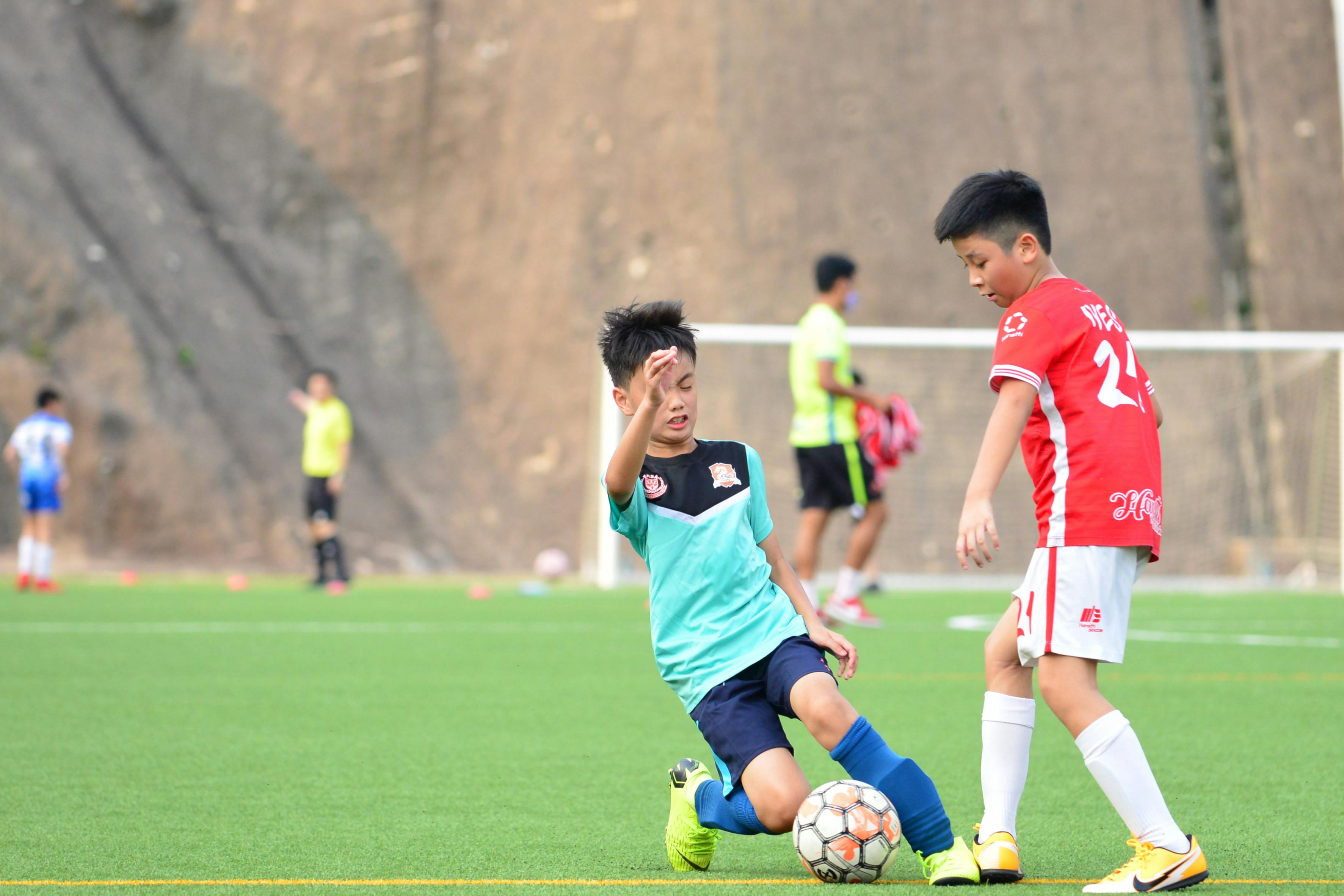
And how it slows real development.
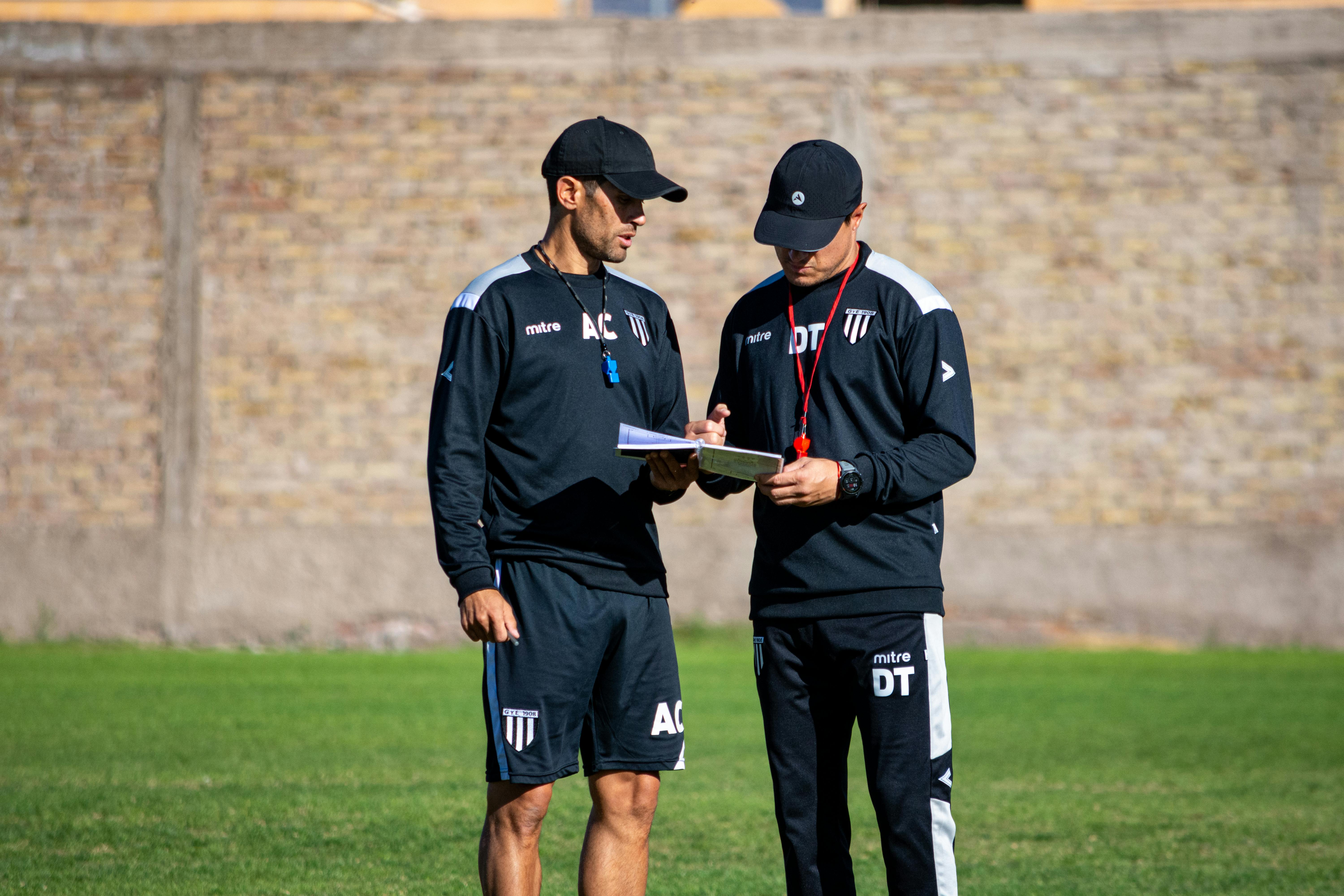
Mistakes that impact energy, focus, and recovery.
Our sessions are designed for young footballers of all abilities — from grassroots players to academy-level athletes. Whether your child is just starting out or aiming to improve performance, our coaching adapts to their level, position, and goals.
We focus on structured development, not random drills. Every session is purposeful — improving technique, decision-making, confidence, and matchday performance. Players train with intent, discipline, and clear progression.
Yes. We offer age-appropriate coaching and carefully grouped sessions to ensure players are challenged without being overwhelmed. Our approach builds confidence while maintaining high standards.
Getting started is simple. Contact us directly to discuss the right programme for your child. We’ll guide you through the options and recommend the best fit based on ability and goals.
Trusted partner for elite football coaching
London, United Kingdom
Mon–Fri: 8am–6pm · Sat: 9am–4pm · Sun: Closed
© 2026 Eiko-X Ballers. All rights reserved.


