
500+
Players Trained
15+
Years of experience
100%
Dedicated
Players Trained
Years of experience
Dedicated

Your child trains hard. They show up. They put the work in.
But halfway through a session, the sharpness fades. The first touch slips. The decision-making slows. And by the time they get home, they're exhausted in a way that sleep alone doesn't seem to fix.
Most parents look at this and think: they just need more practice.
But often, the answer is on the plate. Not the pitch.
Nutrition is one of the most overlooked pillars of youth football development. And the mistakes, mostly made quietly, without realising, are costing young players energy, focus, and recovery time they can't afford to lose.
Why Nutrition Matters More Than Most Youth Coaching Acknowledges
Elite senior footballers have nutritionists, meal plans, and recovery protocols built around their training schedules.
Young players have whatever's in the fridge.
That gap matters more than most people realise. A child aged 5 to 16 is not just training, they're growing. Their body is under constant physical and cognitive demand. Fuel it poorly, and even the best coaching in the world has a ceiling.
At Eiko X Ballers, we believe genuine youth football development goes beyond the session. Understanding how the body works, and what it needs, is part of raising a complete, high-performing young player.
Mistake 1: Skipping or Rushing the Pre-Training Meal
This is the most common, and the most damaging.
A child who arrives at training on an empty stomach, or one who's eaten thirty minutes before kick-off, is already at a disadvantage before the session begins. Blood sugar is unstable. Energy is borrowed. Concentration is fragile.
The ideal pre-training meal sits around two to three hours before activity. It should be carbohydrate-led, think wholegrain bread, rice, oats, or pasta, with moderate protein and low fat. Simple, clean, sustaining.
Not a grab-and-go cereal bar on the way to the car. Not nothing at all.
What a child eats before training directly shapes what they're capable of during it.
Mistake 2: Chronically Under-Fuelling During Growth Phases
Young athletes have higher relative energy needs than most parents expect.
During growth spurts especially, the body is simultaneously repairing muscle, building bone, regulating hormones, and trying to perform at training. If caloric intake doesn't match that demand, something gives, and it's usually performance, recovery, and mood.
Signs of under-fuelling are often misread. Irritability after training. Difficulty concentrating in school. Persistent tiredness. Frequent minor injuries that don't resolve quickly.
These aren't just growing pains. They're often nutritional signals that deserve attention.
Mistake 3: Relying on Sports Drinks and Ultra-Processed Snacks
The sports nutrition market is vast, aggressively marketed, and largely inappropriate for children.
Many sports drinks marketed at young players are high in sugar, artificial additives, and sodium levels designed for adult endurance athletes. For a child doing an hour of skills training, they are unnecessary at best and counterproductive at worst.
The same applies to energy bars, flavoured protein shakes, and high-sugar "recovery" snacks that have colonised the football bag of many well-meaning parents.
For most children's football training, the fundamentals work:
- Water: Hydrated before, during, and after
- Whole food snacks: Banana, rice cakes, a small handful of nuts
- Real meals: Built around quality carbohydrates, lean protein, and vegetables
Simplicity, consistently applied, outperforms the supplement aisle every time.
Mistake 4: Neglecting Post-Training Recovery Nutrition
The session ends. The child is tired, potentially not hungry, and the easiest option is dinner in an hour or so.
But the thirty to sixty minutes after training is when the body is most receptive to recovery. Muscle repair begins. Glycogen stores need replenishing. This window, consistently missed, quietly compounds over a season.
A simple post-training snack, chocolate milk, Greek yoghurt with fruit, a small chicken wrap, can make a meaningful difference to how a child recovers, sleeps, and performs in the next session.
It doesn't need to be elaborate. It needs to happen.
Mistake 5: Treating Match Days the Same as Any Other Day
Match day nutrition is its own conversation, and most families haven't had it.
A large meal ninety minutes before kick-off. A sugary half-time snack that spikes and crashes. No food plan for an early morning fixture. These are patterns that directly impact a young footballer's match-day output.
On match days, timing is everything. A familiar, carbohydrate-rich meal three hours before. A light top-up closer to kick-off if needed. Consistent hydration from the morning. A recovery snack within the hour after.
Structure and consistency, not performance supplements, are what separate a sharp second half from a fading one.
The Bigger Picture: Building a Player, Not Just Training One
Skill. Tactics. Fitness. Mindset. Nutrition.
These are not separate conversations. They are interconnected pillars of player development, and neglecting any one of them creates a ceiling that coaching alone cannot raise.
The most talented children in any group, if poorly fuelled, will underperform. The most dedicated child, if chronically tired and under-nourished, will plateau.
This is why Eiko X Ballers approaches youth football development with a wider lens. Our coaching is premium, individually focused, and grounded in a genuine understanding of what young athletes need to grow, on the pitch and off it.
What London Parents Are Starting to Understand
High-performance thinking is no longer reserved for academy players.
Parents across London who invest in quality kids' football coaching are increasingly asking the right broader questions. Not just "Is my child improving their technique?" But "Is my child being developed as an athlete? Are they learning how to take care of their body? Are they building habits that will serve them for life?"
These are the questions that matter. And they're the questions we're built to answer.
Practical Starting Points for Parents
You don't need a nutritionist to make a meaningful difference. Start here:
Plan the pre-training meal: Two to three hours before, carb-led, consistent
Keep a water bottle in the kit bag: Always
Prepare a simple post-training snack: Protein and carbohydrate within an hour
Match day has a plan: Decide it the evening before, not on the morning
Watch for the signs: Persistent fatigue, irritability, and slow recovery are worth investigating
Small changes, applied consistently, compound over a season.
Raise the Standard, On and Off the Pitch
Your child's potential is not just shaped by the quality of their coaching. It's shaped by everything around it.
At Eiko X Ballers, we provide premium football coaching for children across London, but our philosophy is broader than that. We're invested in the complete development of every player who trains with us.
If you want your child to train at a higher standard, technically, mentally, and physically, we'd love to welcome them to a trial session.
The next level starts with a conversation. Get in touch today.
Eiko X Ballers
Premium youth football coaching in London, built for the complete player
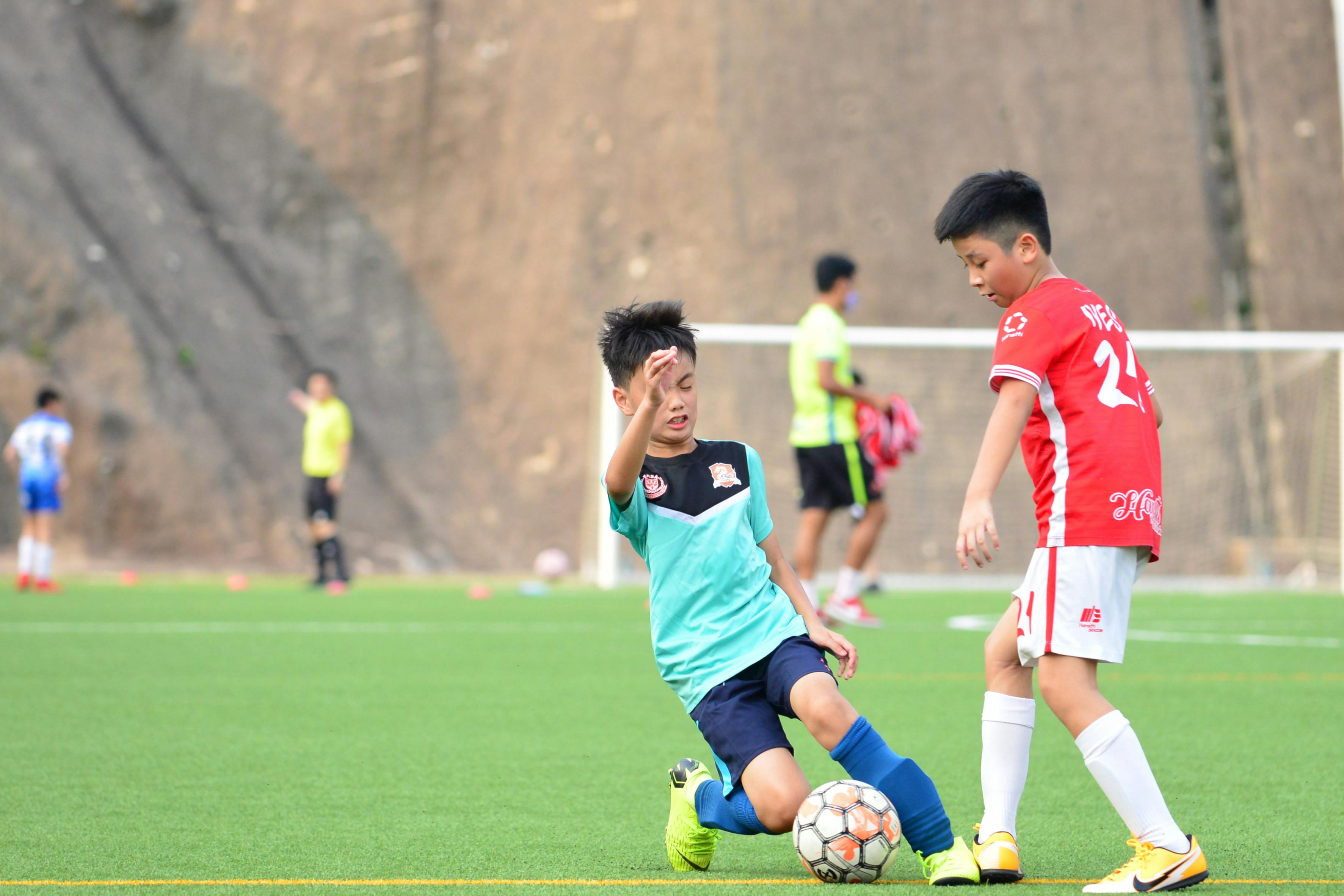
And how it slows real development.
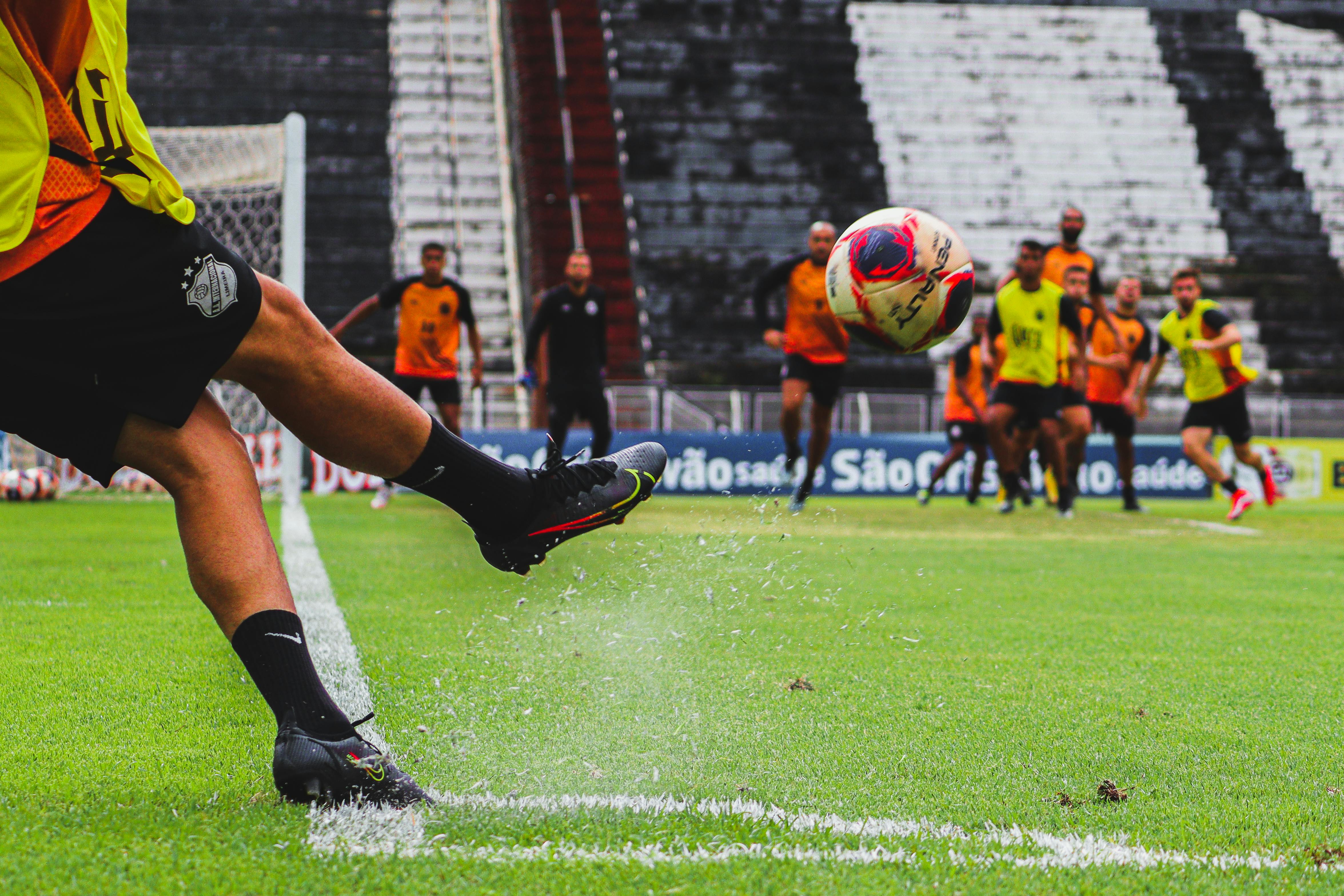
Why more sessions don’t always mean better players.
Our sessions are designed for young footballers of all abilities — from grassroots players to academy-level athletes. Whether your child is just starting out or aiming to improve performance, our coaching adapts to their level, position, and goals.
We focus on structured development, not random drills. Every session is purposeful — improving technique, decision-making, confidence, and matchday performance. Players train with intent, discipline, and clear progression.
Yes. We offer age-appropriate coaching and carefully grouped sessions to ensure players are challenged without being overwhelmed. Our approach builds confidence while maintaining high standards.
Getting started is simple. Contact us directly to discuss the right programme for your child. We’ll guide you through the options and recommend the best fit based on ability and goals.
Trusted partner for elite football coaching
London, United Kingdom
Mon–Fri: 8am–6pm · Sat: 9am–4pm · Sun: Closed
© 2026 Eiko-X Ballers. All rights reserved.


